How do open access sources, tightened budgets, and competition from popular technologies affect how librarians perceive and employ reference resources? How do librarians expect to utilize reference in the future?
[Clip]
Elisabeth Leonard, Executive Market Research Manager at SAGE and Former Reference Librarian, conducted the study using a combination of a survey of 482 librarians, several focus groups, and interviews. Her findings include the following:
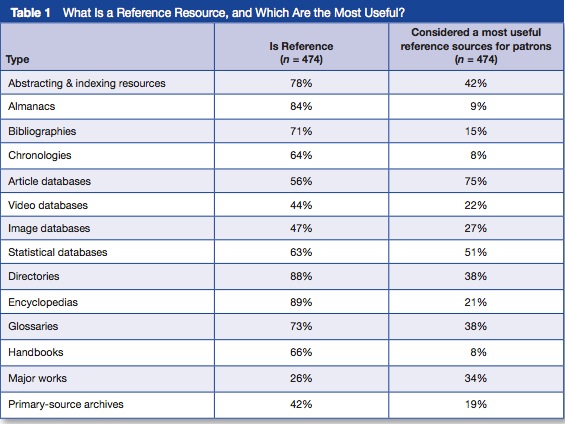
75% of librarians consider article databases to be the most useful reference source.
After article databases, the reference sources seen as most useful are statistical databases
51% of librarians found them most useful), and abstracting and indexing resources (42%).
Source: SAGE
For most of the respondents, use of free resources is as prevalent as use of fee-based resources.
Librarians reported either a preference for online reference (68% of academic librarians and 50% of special librarians) or no preference for reference format (60% of public librarians and 31% of special librarians).
Source: SAGE
Of all the items reference librarians want publishers to provide, discovery services were the most desired.
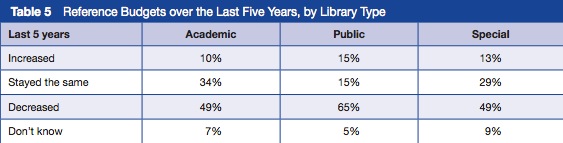
Leonard examined both how changes in library budgets impact how reference is defined and how the changing definition of reference impacts its funding,
Gary Price (gprice@gmail.com) is a librarian, writer, consultant, and frequent conference speaker based in the Washington D.C. metro area.
He earned his MLIS degree from Wayne State University in Detroit.
Price has won several awards including the SLA Innovations in Technology Award and Alumnus of the Year from the Wayne St. University Library and Information Science Program. From 2006-2009 he was Director of Online Information Services at Ask.com.